Top Indian Sweets and Where They Come From
India’s love affair with sweets runs deep. From festive celebrations to everyday indulgences, mithai is more than just dessert—it’s culture, memory, and tradition wrapped in sugar and ghee. What makes Indian sweets truly special is their diversity. Every region has its own flavors, techniques, and stories, shaped by local ingredients and centuries-old traditions.
In this blog, we explore some of the best Indian desserts, tracing their roots and understanding the origin of Indian sweets that have become household names across the country.
A Rich Indian Sweets List That Reflects India’s Diversity
If you’ve ever looked at an Indian sweets list, you’ll notice one thing immediately—there’s no single style. Milk-based sweets dominate the north, coconut and jaggery shine in the south, while the east is famous for its soft, chenna-based delicacies.
This wide variety is why Indian desserts are celebrated worldwide. Each sweet tells a regional story, making them true regional Indian sweets rather than generic treats.
North India: Rich, Creamy, and Festive
Gulab Jamun – North India
One of the most loved items among traditional mithai names, gulab jamun is believed to have Persian influences, adapted over time using khoya and sugar syrup. Today, it’s a staple at weddings and festivals across North India.
Jalebi – Uttar Pradesh & Rajasthan
Crispy, syrupy, and bright orange, jalebi is a breakfast favorite in many northern states. Its origins trace back to Middle Eastern desserts, making it a fascinating example of the origin of Indian sweets influenced by cultural exchanges.
Kaju Katli – Uttar Pradesh
This diamond-shaped cashew fudge is synonymous with celebrations. Smooth, rich, and elegant, it easily ranks among the best Indian desserts.
East India: Soft, Delicate, and Milk-Based
Rasgulla – West Bengal
Perhaps the most iconic of all regional Indian sweets, rasgulla is made from chenna and soaked in light sugar syrup. West Bengal proudly claims this sweet, and its history is deeply tied to temple offerings.
Sandesh – West Bengal
Lightly sweetened and often flavored with fruits or saffron, sandesh showcases how simplicity can be luxurious. It’s one of the most refined traditional mithai names from the east.
West India: Bold Flavors and Unique Textures
Modak – Maharashtra
Associated with Lord Ganesha, modak holds religious significance. Made with rice flour, jaggery, and coconut, it’s a perfect example of sweets by the Indian state that are deeply tied to local beliefs.
Shrikhand – Gujarat & Maharashtra
This chilled yogurt-based dessert is flavored with cardamom and saffron. Refreshing yet rich, shrikhand is often enjoyed with puris during festivals.
South India: Coconut, Jaggery, and Tradition
Mysore Pak – Karnataka
Born in the royal kitchens of Mysore Palace, this ghee-laden sweet melts in your mouth. Its story highlights the royal origin of Indian sweets and how palace recipes reached the masses.
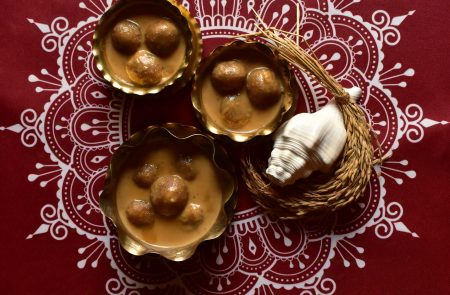
Payasam – Kerala & Tamil Nadu
Payasam is the southern answer to pudding. Made with rice, vermicelli, or lentils, and sweetened with jaggery or sugar, it’s a festival essential and a beloved entry in any Indian sweets list.
Central India: Comforting and Homegrown
Malpua – Madhya Pradesh
Soft, fried pancakes soaked in syrup, malpua is often served during Holi. It’s rustic, comforting, and a wonderful example of lesser-known regional Indian sweets.
Understanding Sweets by Indian State
One of the most fascinating ways to explore Indian desserts is by looking at sweets by Indian state. Each state uses local ingredients—milk in Punjab, coconut in Kerala, jaggery in Bengal—and transforms them into something unique. This state-wise diversity is what keeps Indian sweets endlessly exciting.
Why Indian Sweets Are Truly Special
What sets Indian sweets apart is not just taste, but emotion. These traditional mithai names are tied to childhood memories, festivals, and family gatherings. From temple offerings to wedding trays, sweets mark every important moment in Indian life.
The origin of Indian sweets often blends history, religion, and geography, making every bite meaningful. That’s why many of these treats have survived for centuries without losing their charm.
Final Thoughts
From the syrupy indulgence of gulab jamun to the delicate softness of rasgulla, India’s dessert landscape is unmatched. This rich Indian sweets list showcases why these treats are counted among the best Indian desserts in the world. Each region adds its own flavor, making regional Indian sweets a true celebration of culture and tradition.
If you’re ever looking to understand India better, start with its sweets—you’ll taste history, heritage, and heart in every bite.