In recent years, food delivery apps have changed the way people order and consume meals. Instead of visiting restaurants, many people now order food online and receive it within minutes. This shift has introduced a new concept called the cloud kitchen.
But this raises an important question for many people.
Is food from a cloud kitchen the same as food prepared in a home kitchen?
Is homemade food vs cloud kitchen really that different?
Understanding the cloud kitchen vs home kitchen debate can help customers make better food choices and help aspiring food entrepreneurs decide which path suits them best.
In this guide, we will explore the difference between cloud kitchen and home kitchen, how the cloud kitchen business model works, and how home kitchen food vs restaurant food truly compares.
What Is a Cloud Kitchen?
Before comparing both models, it is important to understand what is a cloud kitchen.
A cloud kitchen is a food preparation facility that cooks meals exclusively for delivery or takeaway. These kitchens do not have dine in spaces, wait staff, or traditional restaurant setups. Their entire focus is on preparing food that is ordered through online platforms.
In simple terms, the cloud kitchen meaning and benefits revolve around efficiency and delivery focused operations.
Key characteristics of a cloud kitchen
1. Delivery first model
Food is prepared mainly for delivery platforms and online orders.
2. No dining space
Customers cannot sit and eat in the kitchen premises.
3. Lower operational costs
Without seating, decor, or large staff, operational costs remain lower.
4. Multiple brands under one kitchen
Some kitchens run several virtual food brands from the same cooking space.
The cloud kitchen business model is designed to scale quickly while keeping infrastructure costs minimal.
What Is a Home Kitchen?
A home kitchen refers to food prepared in a residential setting, usually by individuals or families. Many home kitchens operate informally or as small scale businesses that provide homemade meals to nearby customers.
When people compare homemade food vs cloud kitchen, the biggest difference often lies in the cooking environment and intent.
Key characteristics of a home kitchen
1. Small scale cooking
Meals are usually prepared in limited quantities.
2. Personal cooking style
Recipes often reflect family traditions and personal preferences.
3. Fresh ingredients
Food is often prepared fresh for each order.
4. Homemade experience
Customers associate home kitchens with comfort food and authentic flavors.
Because of this personal touch, many people prefer home kitchen food vs restaurant food when they want healthier or more traditional meals.
Cloud Kitchen vs Home Kitchen: The Core Differences
Understanding the difference between cloud kitchen and home kitchen becomes easier when we compare them across several important factors.
1. Cooking Environment
Cloud kitchens operate in professional commercial setups designed specifically for large order volumes. These kitchens often use industrial equipment and standardized cooking processes.
Home kitchens operate in residential spaces where meals are cooked using regular household appliances.
This makes the cloud kitchen vs home kitchen comparison largely about scale and purpose.
2. Food Style and Menu Variety
Cloud kitchens usually offer extensive menus. Since they focus on delivery customers, they often specialize in trending food categories such as burgers, pizzas, Asian bowls, or desserts.
Home kitchens typically focus on fewer dishes that can be prepared consistently and authentically.
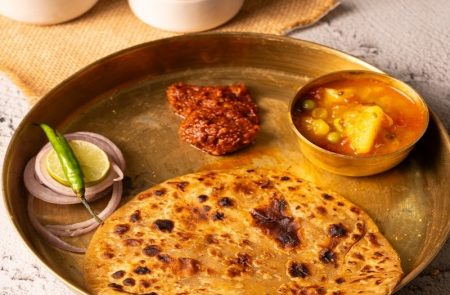
For example, many people order from home kitchens when they want traditional meals like dal, roti, sabzi, or regional specialties.
This is where home kitchen food vs restaurant food becomes noticeable. Restaurant style food often focuses on taste and presentation, while homemade food prioritizes nutrition and familiarity.
3. Scale of Operations
A major factor in the cloud kitchen meaning and benefits is scalability.
Cloud kitchens are designed to handle large volumes of orders simultaneously. Some kitchens prepare hundreds of meals each day.
Home kitchens generally operate on a smaller scale and may accept limited daily orders.
Because of this difference, the cloud kitchen business model is often chosen by entrepreneurs looking to build large food brands.
4. Personalization and Customer Connection
One of the strongest advantages of home kitchens is personalization.
Customers often communicate directly with the cook or owner, allowing special dietary requests or ingredient adjustments.
Cloud kitchens typically operate through delivery platforms, which reduces direct interaction between customers and chefs.
This is why many people still prefer homemade food vs cloud kitchen when they want meals tailored to their preferences.
5. Cost Structure
Cloud kitchens benefit from optimized operations. Without dining areas or service staff, they reduce overhead expenses while maintaining high production capacity.
However, they may spend more on packaging, branding, and delivery platform commissions.
Home kitchens usually have minimal overhead costs but cannot scale as quickly.
This difference plays a crucial role in how the cloud kitchen business model competes with traditional and home based food services.
Cloud Kitchen Meaning and Benefits
The rise of cloud kitchens is not accidental. The model has several advantages that attract food entrepreneurs and investors.
Lower startup investment
Opening a full service restaurant requires significant investment in interiors, seating, and staff. Cloud kitchens remove many of these costs.
Faster expansion
Since the focus is on delivery, new brands can be launched quickly from the same kitchen infrastructure.
Data driven menus
Cloud kitchens often rely on delivery platform data to understand which dishes are popular and optimize menus accordingly.
Efficient delivery operations
The kitchen layout is designed specifically for quick order preparation and packaging.
Because of these benefits, the cloud kitchen business model has become one of the fastest growing segments in the food industry.
Homemade Food vs Cloud Kitchen: Which Is Better?
The answer depends largely on what the customer values most.
When homemade food is preferred
Homemade meals are often chosen when people want
Freshly cooked comfort food
Traditional family recipes
Health focused meals
Personalized cooking
Many working professionals also prefer home kitchens for daily meal subscriptions because the food feels closer to what they would cook at home.
When cloud kitchen food is preferred
Cloud kitchens are ideal when customers want
Fast delivery
Wide menu choices
Restaurant style dishes
Consistent taste across orders
For people ordering late night snacks or international cuisines, cloud kitchens offer more variety compared to most home kitchens.
The Future of Cloud Kitchens and Home Kitchens
The future of food services will likely include both models working side by side.
Cloud kitchens will continue expanding because they align perfectly with delivery based consumer behavior.
At the same time, home kitchens are gaining popularity as people seek healthier alternatives and authentic home cooked meals.
In fact, many food entrepreneurs now start from home kitchens before expanding into cloud kitchen operations.
This blending of models shows that the cloud kitchen vs home kitchen discussion is not about competition alone. It is about adapting to changing food habits.
To Wrap it Up
Understanding the difference between cloud kitchen and home kitchen helps both customers and entrepreneurs make better choices.
Cloud kitchens bring efficiency, scalability, and diverse menus through the cloud kitchen business model. They thrive in a delivery focused world where convenience matters most.
Home kitchens, on the other hand, continue to win hearts through authenticity, freshness, and the emotional value of homemade meals.
Whether you prefer homemade food vs cloud kitchen ultimately depends on what you are looking for in a meal. Comfort and personal touch or speed and variety.
As food delivery continues to evolve, both models will remain important parts of the modern food ecosystem.