After a long day, ordering food from a restaurant feels convenient and satisfying. The dish arrives hot, well presented, and full of flavor. But many people quietly wonder the same thing while eating it.
Is restaurant food fresh?
Restaurants are designed to deliver taste, speed, and consistency. Freshness is often part of the promise, but the reality behind restaurant kitchens can be more complicated. Some meals are prepared using fresh ingredients, while others rely on pre prepared components, frozen items, or ingredients stored for several days.
Understanding the difference between restaurant food vs homemade food can help people make better decisions about what they eat regularly.
Let’s look honestly at how restaurant food is prepared and how it compares to meals made at home.
What Does “Fresh” Food Actually Mean?
Before asking how fresh is restaurant food, it helps to define what fresh food really means.
Fresh food typically refers to ingredients that are recently harvested or prepared and have not gone through heavy processing, long storage periods, or freezing.
In a home kitchen, fresh food usually means:
• Ingredients bought recently
• Minimal preservatives
• Cooking done shortly before eating
In restaurants, the definition can vary. Fresh might mean ingredients delivered earlier in the week, pre cut vegetables stored in refrigerators, or sauces prepared in bulk.
This difference is where the debate between fresh food vs restaurant meals often begins.
How Fresh Is Restaurant Food in Reality
Restaurants operate very differently from home kitchens. Their priority is efficiency and consistency across hundreds of dishes every day.
Because of this, many restaurants use preparation systems that include:
Bulk Preparation
Large batches of sauces, gravies, or marinades are often made once and used for several days. This helps maintain flavor consistency but reduces freshness.
Pre Cut and Stored Ingredients
Vegetables, meats, and garnishes are frequently chopped or portioned hours or even days in advance.
Frozen or Pre Processed Components
Certain items such as fries, desserts, breads, and even gravies may arrive frozen from suppliers.
This does not mean every restaurant meal is unhealthy or stale. High end restaurants and quality kitchens often prioritize ingredient quality. However, it does show why people question how fresh is restaurant food when compared with meals cooked at home.
Restaurant Food vs Homemade Food: The Real Difference
The debate around restaurant food vs homemade food is not just about taste. It also involves freshness, ingredient control, and nutritional value.
Ingredient Control
At home, you decide exactly what goes into your food. You choose the vegetables, oils, spices, and cooking method.
Restaurants often rely on standardized recipes designed for efficiency rather than personal health goals.
Cooking Oils and Fats
Many restaurant kitchens use oils repeatedly for frying or add butter and cream to enhance flavor.
Homemade cooking allows better control over oils and portion sizes.
Salt and Sugar Levels
Restaurant food tends to contain higher amounts of salt and sugar because they enhance taste quickly.
Home cooked meals usually contain more balanced seasoning.
These differences explain why many nutrition experts believe why homemade food is healthier than regularly eating restaurant meals.
Restaurant Food Health Risks People Often Ignore
While eating out occasionally is perfectly fine, frequent restaurant dining can bring certain concerns.
Understanding restaurant food health risks helps consumers make smarter choices.
Excess Sodium
Many restaurant dishes contain much higher sodium levels than recommended daily intake. This can contribute to high blood pressure over time.
Hidden Calories
Restaurant meals often contain hidden fats, sugars, and sauces that increase calorie intake significantly.
Food Storage Practices
Even well run kitchens must store ingredients for efficiency. Improper storage or longer holding periods can impact freshness and safety.
Oil Reuse
Frying oils may be reused multiple times in some kitchens, which can affect both flavor and health quality.
These factors contribute to the broader truth about restaurant food that many consumers do not think about while dining out.
Why Homemade Food Is Healthier for Daily Eating
When discussing why homemade food is healthier, the biggest factor is control.
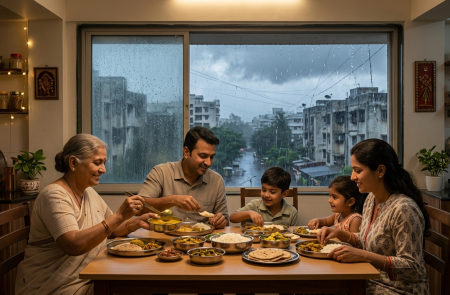
Home cooking gives people the ability to manage what they eat every day.
Fresh Ingredients
Home meals often use ingredients purchased recently and cooked shortly afterward.
Balanced Nutrition
You can easily include vegetables, protein, grains, and healthy fats in balanced portions.
Lower Preservatives
Homemade food rarely includes preservatives, stabilizers, or artificial additives.
Portion Awareness
Restaurant portions are usually larger than necessary. Home meals help maintain healthier serving sizes.
Because of these advantages, many families try to maintain a balance between dining out and home cooking.
Fresh Food vs Restaurant Meals: When Restaurants Do It Right
It is important to note that not all restaurants compromise on freshness.
Some restaurants focus heavily on ingredient quality and daily preparation.
These kitchens may:
• Source produce from local farms
• Prepare sauces and marinades daily
• Avoid frozen ingredients
• Maintain strict food safety practices
Such establishments can deliver meals that compete closely with home cooking in terms of freshness.
However, they tend to be fewer in number compared to large scale commercial kitchens.
How to Make Better Choices When Eating Out
You do not need to stop eating at restaurants entirely. Instead, making smarter choices can help reduce the risks associated with restaurant food health risks.
Consider these tips.
Choose Simple Dishes
Grilled, baked, or steamed dishes are usually healthier than fried items.
Ask About Ingredients
Many restaurants are happy to share preparation details if you ask politely.
Avoid Overly Processed Menu Items
Meals with heavy sauces, deep frying, or excessive cheese often contain more calories and sodium.
Balance Restaurant Meals with Home Cooking
Occasional dining out is enjoyable, but regular home cooking supports better long term nutrition.
The Truth About Restaurant Food Most People Realize Eventually
The truth about restaurant food is not entirely negative, but it is not always as fresh as people assume.
Restaurants focus on:
• Speed
• Taste consistency
• Cost efficiency
Home kitchens focus on:
• Freshness
• Personal health preferences
• Ingredient transparency
Both have their place in modern lifestyles. The key is understanding the difference so you can balance convenience with health.
Take Away
So, is restaurant food fresh?
Sometimes yes, sometimes not as much as we imagine.
Many restaurant meals are prepared with systems designed for speed and consistency rather than daily freshness. This is why the conversation around fresh food vs restaurant meals continues to grow.
Occasional restaurant dining can be enjoyable and convenient. But when it comes to daily nutrition, the benefits of restaurant food vs homemade food often point toward the kitchen at home.
Understanding why homemade food is healthier allows you to make choices that support long term wellness without giving up the pleasure of dining out occasionally.