There is a moment everyone recognizes. You take a bite of something cooked at home and instantly feel comfort, warmth, and satisfaction. Now compare that to eating something from a packet or factory line. It fills you, but something feels missing.
This gap is not imagination. It is the real difference between homemade vs processed food. While packaged and mass produced meals offer convenience, they struggle to recreate the depth, freshness, and emotional connection that home cooking naturally delivers.
Understanding why homemade food tastes better goes beyond nostalgia. It involves ingredients, preparation, freshness, and even psychology.
What Does Homemade vs Processed Food Really Mean
Before diving deeper, it helps to clearly understand the difference.
Homemade food refers to meals prepared using fresh ingredients, typically cooked in small batches with personal attention. It often includes traditional recipes, balanced spices, and minimal artificial additives.
Processed food, on the other hand, is designed for mass production. It is made to last longer, travel farther, and appeal to a wide audience. This usually involves preservatives, stabilizers, artificial flavors, and standardized cooking methods.
In simple terms, the comparison of natural food vs processed food is a comparison between freshness and shelf life, individuality and uniformity.
Why Homemade Food Tastes Better
Fresh Ingredients Make a Real Difference
One of the biggest reasons why homemade food tastes better is ingredient quality. Fresh vegetables, spices, and oils carry natural flavors that are often lost during industrial processing.
When food is mass produced, it is optimized for storage rather than taste. Ingredients may be pre-cooked, frozen, or chemically preserved, which reduces their original flavor profile.
At home, ingredients are usually sourced fresh and used immediately. This preserves aroma, texture, and taste in a way packaged food simply cannot match.
Cooking Methods Are More Thoughtful
Home cooking allows flexibility. You can adjust spice levels, cooking time, and ingredients based on preference.
Mass produced food follows fixed processes. Machines cannot adapt like a person can. Every dish must come out identical, which removes the subtle variations that make food enjoyable.
This is why fresh food vs packaged food often feels so different even when the dish appears similar.
No Artificial Flavor Enhancement
Processed foods rely heavily on additives to enhance taste. These include artificial flavors, excess salt, and sugar.
While these elements can make food addictive, they do not create real depth of flavor. Instead, they mask the absence of freshness.
Homemade food builds flavor naturally through slow cooking, proper seasoning, and balanced ingredients.
Emotional Connection Enhances Taste
Food is not just physical. It is deeply emotional.
Meals prepared at home often carry memories, care, and familiarity. This emotional connection plays a powerful role in how we perceive taste.
Mass produced meals lack this element entirely. They are functional, not personal.
Mass Produced Food Disadvantages
Loss of Nutritional Value
During processing, food often loses essential nutrients. Heating, freezing, and preserving methods can reduce vitamins and minerals.
To compensate, manufacturers sometimes add synthetic nutrients, but these rarely match the effectiveness of natural ones.
This makes the difference between natural food vs processed food even more significant from a health perspective.
High Levels of Preservatives
To extend shelf life, processed foods contain preservatives that prevent spoilage. While these are regulated, frequent consumption can impact long term health.
Homemade food avoids this entirely since it is consumed fresh.
Uniform Taste but No Authenticity
Mass production prioritizes consistency. Every packet must taste the same.
While this may sound appealing, it removes authenticity. Traditional recipes often have slight variations that make them unique.
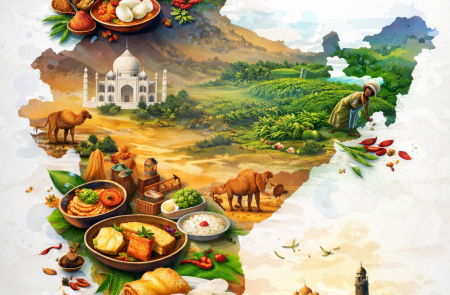
This is why authentic homemade food India is known for its diversity and depth. Each household brings its own touch to a dish.
Hidden Sugars and Salts
Many packaged foods contain high levels of sugar and sodium to enhance taste and increase shelf life.
Over time, this can lead to health issues and also alter your natural taste preferences.
Homemade meals allow complete control over what goes into your food.
Fresh Food vs Packaged Food: A Clear Comparison
When comparing fresh food vs packaged food, the differences become even more obvious.
Fresh food offers better texture, aroma, and nutritional value. It is closer to its natural state and requires minimal processing.
Packaged food, while convenient, is designed for storage and transportation. This often compromises both taste and quality.
The experience of eating fresh food is more satisfying because it engages all senses, not just taste.
Benefits of Home Cooking
Better Health Control
One of the biggest benefits of home cooking is control. You decide the ingredients, portion size, and cooking method.
This helps in maintaining a balanced diet and avoiding unnecessary additives.
Cost Effective in the Long Run
While processed food may seem cheaper initially, regular consumption can add up.
Home cooking, especially when planned well, can be more economical and sustainable.
Encourages Mindful Eating
Cooking at home creates awareness about what you are eating. It encourages mindful choices and healthier habits.
You are more likely to appreciate your meal and avoid overeating.
Supports Traditional Food Culture
Home cooking helps preserve traditional recipes and cultural identity.
Mass produced food often standardizes taste, leading to loss of regional diversity.
Why Convenience Cannot Replace Quality
It is important to acknowledge why processed food exists. It saves time, requires less effort, and fits into busy lifestyles.
However, convenience comes at a cost.
The trade off often includes reduced taste, lower nutrition, and lack of personal connection. Over time, this affects not just health but also the overall food experience.
The debate of homemade vs processed food is not about eliminating convenience but about making better choices whenever possible.
Finding the Right Balance
You do not have to completely avoid processed food. The key is balance.
Incorporating more homemade meals into your routine can significantly improve both health and satisfaction.
Even simple steps like cooking a few meals at home each week can make a noticeable difference.
In a Nutshell
Mass produced food may be efficient, but it cannot replicate the richness, authenticity, and emotional value of home cooked meals.
The difference between homemade vs processed food lies in more than just ingredients. It is about freshness, care, and the overall experience of eating.
Choosing home cooking more often is not just a lifestyle decision. It is a step toward better health, deeper satisfaction, and a more meaningful relationship with food.
If you have ever wondered why homemade food tastes better, the answer is simple. It is real, it is fresh, and it is made with intention.