Why Do We Crave Certain Foods During the Monsoon?
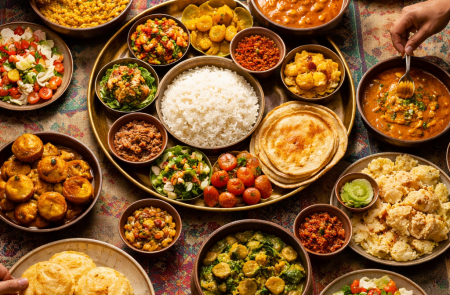
The arrival of the monsoon transforms more than just the landscape. Across India, families eagerly prepare seasonal dishes that have been passed down through generations. These meals are not simply about satisfying hunger. They reflect local ingredients, climatic conditions, cultural beliefs, and centuries of culinary wisdom.
From steaming snacks enjoyed with evening tea to nourishing curries made with seasonal vegetables, Indian food traditions showcase how every region celebrates the rains differently. These monsoon food traditions continue to preserve India’s rich culinary heritage while bringing families together around the dining table.
What Are Monsoon Food Traditions?
Monsoon food traditions refer to seasonal eating practices followed across India during the rainy months. They typically focus on freshly prepared, warm, comforting meals made with locally available ingredients.
Many traditional recipes include spices such as ginger, turmeric, black pepper, cumin, and asafoetida, which have long been valued in Indian cooking for adding warmth and flavor during damp weather.
These seasonal practices are an important part of regional Indian cuisine, where every state has developed dishes suited to its climate and agricultural produce.
Maharashtra: Comfort in Every Bite
The monsoon season in Maharashtra is incomplete without freshly prepared comfort foods.
Popular dishes include:
- Kanda Bhaji
- Batata Vada
- Misal Pav
- Pithla Bhakri
- Varan Bhaat
These dishes perfectly reflect authentic Indian food, combining simple ingredients with bold flavors. Many households prepare hot fritters as families gather to enjoy the rain together.
Gujarat: Light Yet Flavorful Monsoon Meals
Gujarati kitchens adapt beautifully to the rainy season with balanced meals that are easy to digest.
Traditional favorites include:
- Methi na Muthiya
- Handvo
- Khichdi Kadhi
- Fafda
- Thepla
These traditional recipes demonstrate how seasonal cooking emphasizes both taste and nourishment while preserving longstanding Indian food traditions.
Rajasthan: Hearty Food for Rainy Evenings
Although rainfall is limited in many parts of Rajasthan, the monsoon still brings its own culinary celebrations.
Popular dishes include:
- Dal Baati Churma
- Mirchi Vada
- Gatte Ki Sabzi
- Rabodi Ki Sabzi
These recipes represent the resilience of regional Indian cuisine, using pantry staples and locally available ingredients to create satisfying meals.
Punjab: Rich Flavors During the Rainy Season
Punjab’s monsoon table often features wholesome meals prepared with generous use of dairy and spices.
Seasonal specialties include:
- Makki di Roti with seasonal vegetables
- Pakoras
- Rajma Chawal
- Chole Kulche
- Stuffed Parathas
These dishes highlight the warmth and hospitality deeply rooted in cultural food stories across northern India.
West Bengal: Celebrating Freshness and Tradition
West Bengal embraces the rains with comforting meals centered around rice, lentils, vegetables, and fish.
Well loved monsoon dishes include:
- Khichuri
- Beguni
- Fish Curry
- Labra
- Payesh
The state’s culinary heritage beautifully illustrates how authentic Indian food reflects both geography and cultural identity.
Kerala: Monsoon Meals Inspired by Nature
Kerala’s abundant rainfall naturally shapes its seasonal cuisine.
Popular rainy season dishes include:
- Kanji
- Puzhukku
- Avial
- Fish Molee
- Banana Fritters
Fresh coconut, spices, curry leaves, and seafood contribute to one of India’s most distinctive examples of regional Indian cuisine.
Karnataka: Seasonal Comfort Foods
Monsoon cooking in Karnataka celebrates locally grown grains, vegetables, and aromatic spices.
Traditional favorites include:
- Bisi Bele Bath
- Akki Roti
- Maddur Vada
- Neer Dosa
- Rasam
These recipes combine nutrition with comfort while preserving generations of Indian food traditions.
Tamil Nadu: Nourishing Seasonal Recipes
Tamil Nadu offers several warming dishes that suit the rainy climate.
Popular preparations include:
- Milagu Rasam
- Sambar Rice
- Medu Vada
- Pongal
- Sundal
These traditional recipes continue to be prepared in homes throughout the state during the monsoon months.
Assam: Celebrating Local Ingredients
Assamese cuisine highlights fresh herbs, rice, and locally sourced vegetables during the rainy season.
Common dishes include:
- Khar
- Masor Tenga
- Rice preparations
- Seasonal leafy vegetables
These meals showcase how authentic Indian food evolves naturally with changing seasons.
Himachal Pradesh: Warm Meals for Cool Weather
The cooler monsoon climate of Himachal Pradesh calls for hearty regional specialties.
Popular dishes include:
- Madra
- Siddu
- Chana preparations
- Tudkiya Bhath
These recipes preserve centuries old cultural food stories while celebrating mountain ingredients.
What Makes Regional Indian Cuisine So Unique?
Every state has developed its own culinary identity based on:
- Climate
- Local agriculture
- Seasonal ingredients
- Community traditions
- Historical influences
- Family recipes passed through generations
Together, these factors create the incredible diversity found in regional Indian cuisine.
How Monsoon Food Traditions Preserve India’s Culinary Heritage
Food is more than nourishment. Every seasonal recipe tells a story about people, festivals, farming, and family traditions.
These monsoon food traditions continue to connect younger generations with their roots while preserving valuable culinary knowledge that has evolved over centuries.
Whether it is a plate of hot pakoras during an evening shower or a comforting bowl of khichdi shared with family, every meal contributes to India’s rich collection of cultural food stories.
Tips to Experience Authentic Indian Food During the Monsoon
- Choose freshly prepared seasonal meals.
- Explore local specialties when visiting different states.
- Cook family recipes passed down through generations.
- Use fresh seasonal vegetables and spices.
- Appreciate the cultural significance behind every traditional dish.
Frequently Asked Questions
What are Indian food traditions?
Indian food traditions are culinary practices developed over generations that reflect regional culture, climate, festivals, seasonal ingredients, and family customs.
Why are monsoon food traditions important?
Monsoon food traditions celebrate seasonal ingredients while offering comforting meals that suit the rainy weather and preserve regional culinary heritage.
Which states have unique regional Indian cuisine during the monsoon?
Almost every state has distinctive rainy season dishes, including Maharashtra, Gujarat, Rajasthan, Punjab, West Bengal, Kerala, Karnataka, Tamil Nadu, Assam, and Himachal Pradesh.
What makes authentic Indian food unique?
Authentic Indian food emphasizes fresh ingredients, traditional cooking methods, regional flavors, and recipes that have been preserved across generations.
How do cultural food stories influence Indian cuisine?
Cultural food stories explain why certain dishes are prepared during festivals, seasonal changes, family gatherings, and regional celebrations, making every meal part of India’s living heritage.
To Wrap It Up
India’s monsoon season offers far more than scenic landscapes. It celebrates centuries of Indian food traditions, diverse regional Indian cuisine, cherished traditional recipes, unforgettable authentic Indian food, and meaningful cultural food stories. Exploring these seasonal dishes is one of the most enjoyable ways to experience the country’s remarkable culinary diversity while appreciating the traditions that continue to unite generations.