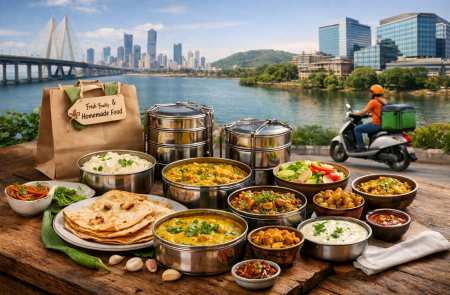
When people think about increasing their protein intake, the first solution that comes to mind is often a protein shake. While supplements can be convenient, they are far from essential. Traditional Indian cuisine already offers an impressive variety of naturally protein rich foods that can help support muscle growth, improve energy levels, and keep you feeling full for longer.
The beauty of Indian cooking lies in its diversity. From wholesome dals and legumes to dairy products, soy based foods, and nutrient dense grains, it is entirely possible to build a healthy Indian diet that delivers enough protein through everyday meals. Whether you are a working professional, fitness enthusiast, student, or simply trying to eat healthier, choosing real food over supplements can provide better nutrition along with essential vitamins, minerals, and fibre.
In this guide, we explore the best high protein Indian meals, practical meal ideas, and simple ways to boost protein intake without depending on protein powder.
Why Protein Matters in Your Daily Diet
Protein is one of the three essential macronutrients your body needs every day. It plays a key role in muscle repair, hormone production, immune function, and maintaining healthy skin, hair, and bones.
Unlike highly processed supplements, whole foods provide protein along with nutrients that work together to support overall health. A balanced approach makes it easier to maintain long term eating habits while enjoying delicious meals.
What Makes Indian Food Naturally High in Protein?
Many traditional Indian recipes are built around ingredients that are naturally rich in protein.
These include:
- Lentils and dals
- Chickpeas
- Kidney beans
- Soy chunks
- Paneer
- Greek yogurt or hung curd
- Milk
- Peanuts
- Almonds
- Pumpkin seeds
- Quinoa
- Millets
- Sprouts
Combining cereals with pulses, such as rice with dal or roti with chana, also improves the overall quality of protein by providing a more complete amino acid profile.
Best High Protein Indian Meals
Moong Dal Chilla with Paneer Filling
Moong dal chilla is one of the easiest breakfast options for anyone looking to increase protein intake. Stuffing it with fresh paneer makes it even more satisfying while adding calcium and healthy fats.
This meal keeps you full for hours and works well for busy mornings.
Rajma with Brown Rice
Rajma remains one of the most popular examples of protein rich Indian food.
The combination of kidney beans and rice creates a balanced meal containing protein, carbohydrates, fibre, and several important minerals.
Adding a bowl of curd makes the meal even more nutritious.
Chole with Multigrain Roti
Chickpeas provide excellent plant based protein while also supplying iron and fibre.
Pairing chole with multigrain roti instead of refined flour improves the nutritional profile and supports better digestion.
Paneer Bhurji with Whole Wheat Roti
Paneer is among the richest vegetarian protein sources available in Indian kitchens.
Paneer bhurji prepared with onions, tomatoes, peas, and mild spices creates a balanced meal suitable for breakfast, lunch, or dinner.
Soy Chunk Curry
Soy chunks contain one of the highest protein levels among vegetarian foods.
Cooked in a flavourful tomato and onion gravy, they become a delicious alternative to meat while remaining affordable and easy to prepare.
Mixed Dal Khichdi
Instead of using a single dal, prepare khichdi using moong, masoor, and toor dal together.
This simple change significantly increases the protein content while creating a comforting and wholesome meal.
Serve with curd for added protein.
Sprouted Moong Salad
Sprouted legumes improve nutrient availability while increasing vitamin content.
Mix sprouted moong with cucumber, tomatoes, onions, coriander, lemon juice, roasted peanuts, and a pinch of black salt for a refreshing meal or evening snack.
Greek Yogurt with Fruits and Nuts
Hung curd or Greek yogurt provides excellent quality protein.
Top it with seasonal fruits, almonds, walnuts, chia seeds, and pumpkin seeds for a filling breakfast or post workout snack.
High Protein Vegetarian Protein Sources
One of the biggest myths is that vegetarians cannot consume enough protein.
In reality, Indian cuisine offers numerous vegetarian protein sources that can easily meet daily requirements.
Some of the best options include:
- Paneer
- Tofu
- Soy chunks
- Lentils
- Chickpeas
- Kidney beans
- Black chana
- Green gram
- Cowpeas
- Peanuts
- Almonds
- Pistachios
- Pumpkin seeds
- Milk
- Curd
- Greek yogurt
- Quinoa
- Amaranth
Including a variety of these foods throughout the week ensures better nutrition and prevents meal fatigue.
Simple Ways to Increase Protein Without Supplements
You do not need expensive powders or specialty products to increase your protein intake.
Here are practical strategies that work.
Include Protein in Every Meal
Aim to add at least one protein rich ingredient to breakfast, lunch, dinner, and snacks.
Replace Refined Snacks
Swap biscuits or chips with roasted chana, sprouts, curd, peanuts, or boiled chickpeas.
Combine Different Protein Sources
Mix dairy with legumes or pulses with whole grains for more complete nutrition.
Cook Smart
Preparing meals in advance makes it easier to avoid unhealthy convenience foods during busy weekdays.
Focus on Whole Foods
Natural foods provide protein together with fibre, vitamins, antioxidants, and minerals that supplements cannot fully replace.
Sample High Protein Indian Meal Plan
Breakfast
Moong dal chilla stuffed with paneer and a glass of milk.
Mid Morning
Greek yogurt with almonds and pumpkin seeds.
Lunch
Rajma, brown rice, cucumber salad, and curd.
Evening Snack
Sprouted moong salad with roasted peanuts.
Dinner
Soy chunk curry with multigrain roti and mixed vegetables.
This meal pattern provides protein throughout the day while supporting sustained energy and satiety.
Common Mistakes to Avoid
Many people unknowingly reduce the protein quality of their meals.
Avoid these common mistakes.
- Depending only on carbohydrates like rice or roti.
- Skipping breakfast.
- Eating too little protein at lunch.
- Assuming only gym goers need protein.
- Replacing balanced meals with processed supplements.
Building consistent eating habits often delivers better long term results than relying on shortcuts.
Can You Build Muscle Without Protein Powder?
Yes.
Protein powder is simply a convenient supplement, not a necessity. If your daily meals include sufficient amounts of dals, legumes, dairy products, soy, nuts, and seeds, you can comfortably meet your protein requirements.
Many athletes, active individuals, and health conscious families choose whole foods because they provide complete nutrition rather than isolated protein alone.
Consistency matters far more than any single product.
Why Whole Foods Are a Better Long Term Choice
Whole foods encourage mindful eating while delivering nutrients that support digestion, immunity, heart health, and overall wellbeing.
Traditional Indian meals have evolved over generations to provide balanced nutrition through diverse ingredients. By focusing on natural foods instead of supplements, you build eating habits that are sustainable, affordable, and enjoyable.
Whether your goal is weight management, improved fitness, or better health, choosing high protein Indian meals made from everyday ingredients is one of the simplest and most effective ways to nourish your body.
Final Thoughts
Protein does not have to come from a shaker bottle. Indian kitchens already contain everything needed to create delicious, satisfying, and nutrient dense meals.
By including more protein rich Indian food, using a variety of vegetarian protein sources, and following a healthy Indian diet built around balanced meals, you can meet your nutritional needs naturally while enjoying authentic flavours every day.
Start with one small change, whether it is adding paneer to breakfast, choosing sprouts as an evening snack, or replacing processed foods with wholesome dals. Over time, these simple choices can make a meaningful difference to your health and overall wellbeing.