In today’s fast-paced world, grabbing a quick bite from a restaurant has become second nature. But when it comes to long-term health and nutrition, there’s nothing quite like the comfort and goodness of homecooked Indian food. From freshly ground spices to balanced ingredients, cooking at home gives you complete control over what goes on your plate — and ultimately, in your body.
Let’s explore why home food vs restaurant food is more than just a debate — it’s a lifestyle choice that can significantly impact your health.
1. Control Over Ingredients and Cooking Methods
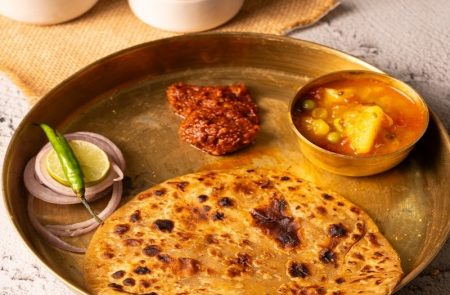
One of the biggest advantages of homecooked Indian food is knowing exactly what’s going into your meal. Whether it’s the type of oil, the quantity of ghee, or the salt and sugar levels — you’re in charge.
Restaurants often use processed ingredients, high-sodium spice mixes, and refined oils to enhance flavor and shelf life. At home, you can stick to wholesome ingredients like whole spices, fresh vegetables, and cold-pressed oils — making it easier to prepare truly healthy Indian food.
2. Portion Sizes That Make Sense
Let’s be honest — restaurant portions can be overwhelming. And in many cases, we eat more than we actually need. Home meals, on the other hand, are more aligned with what our bodies require. Smaller, balanced portions with a focus on variety — think dal, sabzi, roti, and a bowl of curd — keep you full without overloading your system.
3. Less Oil, Less Cream, Less Guilt
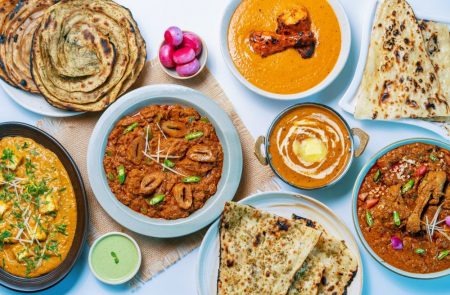
To make dishes richer and tastier, restaurants often go heavy on cream, butter, and oil. Dishes like paneer butter masala or malai kofta are delicious but can become calorie bombs when ordered out.
At home, you can recreate these favorites using lighter techniques — sautéing instead of deep frying, using low-fat dairy, or even replacing cream with yogurt — without compromising on flavor. That’s the beauty of healthy Indian food made in your own kitchen.
4. Freshness You Can Taste
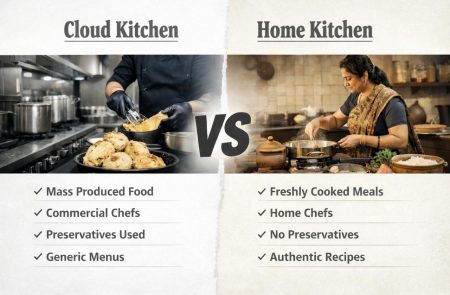
When comparing home food vs restaurant food, freshness is a game-changer. Restaurant meals are sometimes pre-cooked and reheated, especially during peak hours. But homecooked Indian food is usually prepared fresh, just before being served. That means better taste, better texture, and most importantly — better nutrition.
5. Cleanliness and Hygiene
While many restaurants do follow safety protocols, you can never be entirely sure about the kitchen’s hygiene. At home, you’re the chef, the cleaner, and the quality control expert — ensuring your food is cooked in a clean, safe environment. This is especially important for families with children or anyone with dietary restrictions.
6. Balanced Nutrition Tailored to Your Needs
When you cook at home, meals can be customized to fit your health goals. Watching your carbs? Swap rice with quinoa or millets. Trying to lose weight? Increase your veggie intake or reduce oil. Home cooking makes it easy to eat clean, stay fit, and still enjoy your favorite Indian dishes — especially when you’re focused on healthy Indian food choices.
7. Emotional Satisfaction and Family Bonding
There’s also an emotional angle to homecooked Indian food. The aromas from your kitchen, the act of serving loved ones, and eating together as a family — these experiences are deeply satisfying and mentally nourishing. Restaurant meals, while convenient, can’t match the comfort of food made with love at home.
Final Thoughts
While the occasional indulgence at your favorite restaurant is perfectly fine, nothing beats the long-term benefits of eating at home. Homecooked Indian food isn’t just healthier — it’s more mindful, more nourishing, and often more delicious.
So the next time you’re torn between ordering in or cooking a simple meal, remember: when it comes to home food vs restaurant food, your kitchen has the winning recipe for wellness. Choose healthy Indian food, choose better living.