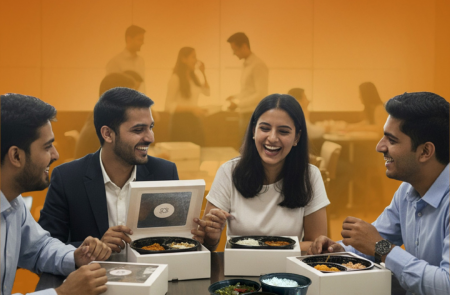
Instant meals promise speed. Homemade food offers nourishment.
Nearby home made food refers to freshly prepared meals cooked in home style kitchens using simple ingredients, balanced spices, and traditional methods. Unlike processed or packaged instant food, these meals are prepared daily and typically avoid excessive preservatives, artificial flavors, and heavy processing.
For working professionals, this difference matters more than it seems.
1. Better Nutrition Means Better Focus
Instant office meals often contain high sodium, refined carbohydrates, and added preservatives. While they may taste satisfying initially, they can cause bloating, lethargy, and blood sugar spikes.
Home made food, especially vegetarian meals prepared with lentils, vegetables, whole grains, and healthy oils, provides steady energy. A simple dal, roti, sabzi combination offers fiber, protein, and complex carbohydrates that release energy gradually.
When your lunch supports stable energy levels, your afternoon productivity improves naturally. You think clearly. You respond calmly. You work efficiently.
That is the power of choosing nearby home made food over instant options.
2. Fresh Ingredients Support Long Term Health
Health is not built in one meal. It is shaped by daily habits.
Instant foods are designed for longer shelf life. This often requires additives, stabilizers, and artificial ingredients. Even when labeled as healthy, many quick office meals lack the freshness of food cooked the same morning.
Home style vegetarian meals usually include seasonal vegetables, freshly cooked grains, and balanced spices. Fresh ingredients retain more nutrients and are easier to digest.
Over months and years, this difference impacts weight management, gut health, and overall immunity.
Professionals who switch to nearby home made food often notice reduced acidity, better digestion, and fewer mid week energy crashes.
3. Portion Control Is More Balanced
Instant meals are often designed as fixed portion packs. They may be too small, leaving you hungry, or too heavy, making you sluggish.
Home cooked lunches are usually portioned thoughtfully. Traditional vegetarian meals focus on balance rather than excess. A mix of grains, vegetables, pulses, and curd creates satisfaction without heaviness.
Balanced portions prevent overeating and help maintain consistent energy throughout the day.
4. Vegetarian Homemade Meals Are Easier to Digest
Many office workers prefer vegetarian lunches because they feel lighter and more comfortable during work hours.
Vegetarian home made food typically includes plant based proteins like lentils, chickpeas, and paneer, along with vegetables rich in fiber and antioxidants. These foods support digestion and reduce post lunch discomfort.
Instant vegetarian options, on the other hand, may rely heavily on refined flour, sauces, and processed ingredients to enhance taste.
The difference between a freshly prepared vegetable curry and a packaged instant gravy is noticeable in how your body feels afterward.
When you choose nearby home made food, you are choosing meals that align with natural digestion patterns rather than heavily processed shortcuts.
5. Mental Comfort and Emotional Wellbeing
Food is not just nutrition. It is emotional support.
Home style meals carry familiarity. The aroma of simple spices, freshly cooked rice, or warm rotis brings comfort. That emotional satisfaction reduces stress and enhances mood.
Instant meals often feel functional rather than comforting. They serve a purpose but rarely create a sense of satisfaction.
A fulfilling vegetarian lunch can improve morale and even encourage mindful eating during busy office hours.
6. Cost Effective in the Long Run
Many professionals assume instant food is cheaper. In reality, frequent ordering or buying packaged meals adds up quickly.
Nearby home made food providers often offer subscription plans that are more economical over time. You receive freshly prepared meals at a consistent price without hidden delivery surcharges or impulse add ons.
When you calculate monthly spending, homemade lunch services can be surprisingly cost efficient.
7. Reduced Risk of Lifestyle Disorders
Regular consumption of processed instant food is linked to weight gain, high blood pressure, and metabolic issues.
While an occasional instant meal is harmless, relying on it daily can create long term health challenges. High sodium content and refined ingredients affect heart health and blood sugar regulation.
In contrast, vegetarian home made food emphasizes whole ingredients, natural cooking oils, and moderate seasoning. This supports healthier eating patterns that reduce lifestyle related risks.
Choosing nearby home made food is not just about today. It is about protecting your health for years ahead.
8. Supports Local Home Kitchens and Small Businesses
When you order home style meals from local providers, you contribute to community based kitchens and home entrepreneurs.
This creates a sustainable ecosystem where quality matters more than mass production. Small scale home cooks often focus on consistency, hygiene, and taste because their reputation depends on it.
Your daily lunch becomes part of a larger positive impact.
9. Encourages Mindful Eating Habits
Instant food is often eaten quickly at desks, between calls, or during rushed breaks.
Home made meals encourage you to slow down. The texture, aroma, and balanced flavors invite mindful eating.
Mindful eating improves digestion and helps you recognize fullness cues. Over time, this reduces unhealthy snacking and emotional eating.
When your lunch is nourishing and satisfying, you are less likely to crave sugary or fried snacks in the evening.
What Makes Near By Home Made Food Different
It is helpful to define what truly sets it apart.
Nearby home made food is typically prepared in small batches, cooked fresh daily, and delivered within a limited geographic area. Because it is local, it does not require heavy preservation or long transport.
The focus remains on taste, hygiene, and balanced nutrition rather than shelf life.
Many providers specialize in vegetarian meals that rotate daily menus, ensuring variety without compromising simplicity.
This approach mirrors traditional Indian home kitchens where meals are prepared with care, not speed.
Practical Tips for Choosing the Right Homemade Lunch Option
If you are considering switching from instant food to homemade lunches, keep these points in mind.
- Check ingredient transparency. Reliable providers clearly mention what goes into their meals.
- Ask about daily preparation schedules. Fresh cooking every morning ensures quality.
- Explore vegetarian menu rotation. Variety prevents boredom and supports balanced nutrition.
- Start with a weekly trial before committing to a monthly plan.
- Observe how your body feels after meals. Energy, digestion, and mood are strong indicators.
Small changes in your lunch routine can create significant improvements in your workday experience.
In a Nutshell
Office lunches are more powerful than we realize. They influence energy, focus, mood, and long term health.
While instant meals offer speed, they rarely deliver the consistent nourishment your body and mind require. Vegetarian home made meals provide balance, freshness, and comfort that processed options cannot match.
If you want steady energy through the afternoon, improved digestion, and a healthier routine, consider making the shift to nearby home made food.
Your lunch break can be more than a quick pause. It can be a daily investment in your wellbeing and professional success.