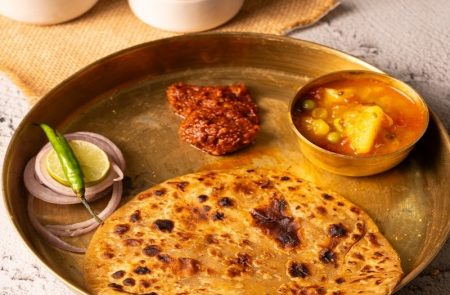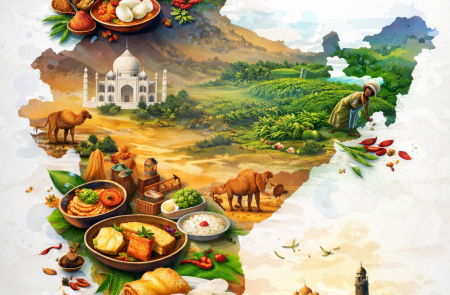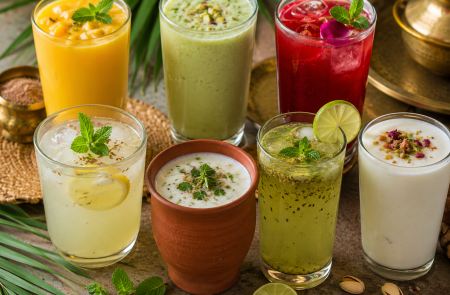
India’s culinary landscape is as diverse as its languages, traditions, and geography. While many people enjoy regional delicacies without knowing their origins, understanding the stories behind these dishes adds a deeper appreciation for every bite.
From royal kitchens and ancient trade routes to farming communities and religious traditions, the journey of India’s most iconic Indian dishes reveals centuries of cultural exchange, innovation, and heritage. These recipes are more than meals. They are living records of India’s history, identity, and regional pride.
In this article, we explore the fascinating origins of some of the country’s most beloved dishes and uncover how they became enduring symbols of India’s rich culinary legacy.
Understanding the Legacy of Iconic Indian Dishes
The term iconic Indian dishes refers to recipes that have transcended regional boundaries and gained recognition across the country and beyond. Their popularity often stems from a combination of historical significance, local ingredients, cultural traditions, and exceptional flavors.
Many of these dishes evolved over generations, shaped by rulers, traders, migrants, and local communities. As a result, they offer valuable insights into Indian food history and the evolution of traditional Indian cuisine.
Butter Chicken: From Delhi’s Kitchens to Global Fame
The Story Behind Butter Chicken
Few dishes represent North Indian cuisine as effectively as Butter Chicken. Originating in Delhi during the mid twentieth century, the dish was reportedly created when leftover tandoori chicken was combined with a rich tomato based gravy enhanced with butter and cream.
What began as a practical solution to reduce food waste soon transformed into one of India’s most recognized culinary exports.
Why It Became Iconic
Its balanced flavors, creamy texture, and mild spice profile made it appealing to both Indian and international audiences. Today, Butter Chicken serves as an introduction to traditional Indian cuisine for countless food lovers worldwide.
Hyderabadi Biryani: A Royal Culinary Masterpiece
A Blend of Cultures and Traditions
The story of Hyderabadi Biryani reflects the influence of Persian and Mughal culinary traditions on local Telugu food culture. The dish flourished under the Nizams of Hyderabad, who encouraged culinary innovation and refinement.
Prepared using fragrant rice, aromatic spices, and marinated meat, the dish is celebrated for its intricate cooking techniques and layered flavors.
A Symbol of Regional Pride
Among India’s most famous regional specialties, Hyderabadi Biryani represents the unique fusion of foreign influences and local traditions that define much of food culture in India.
Dhokla: Gujarat’s Timeless Fermented Delight
Rooted in Simplicity
Dhokla has been a staple of Gujarati cuisine for centuries. Made from fermented batter, this light and nutritious dish reflects the resourcefulness of communities living in a region known for its vegetarian traditions.
Historical references suggest that variations of fermented grain based preparations existed long before modern versions of Dhokla became popular.
A Reflection of Local Lifestyle
The popularity of Dhokla demonstrates how regional diets evolved around climate, agricultural practices, and cultural values. It remains one of the most recognizable regional specialties from Western India.
Rogan Josh: Kashmir’s Culinary Heritage
The Influence of Central Asia
Rogan Josh traces its roots to the culinary traditions introduced by Persian and Central Asian influences. Over time, Kashmiri cooks adapted the dish using local ingredients and spices, creating a version uniquely suited to the region’s tastes.
The vibrant red color and aromatic flavor profile make it a standout dish in Kashmiri cuisine.
Preserving Tradition Through Food
As one of the most celebrated examples of traditional Indian cuisine, Rogan Josh highlights how food can preserve centuries of cultural heritage and regional identity.
Sarson Da Saag and Makki Di Roti: The Taste of Punjab
Born from Agricultural Abundance
Punjab’s fertile lands have long supported the cultivation of mustard greens and maize. These locally available ingredients became the foundation of one of the state’s most cherished meals.
Sarson Da Saag paired with Makki Di Roti embodies the agricultural roots of Punjabi life and the close connection between food and farming traditions.
More Than a Seasonal Dish
This combination has become an enduring symbol of Punjab’s hospitality and resilience, reflecting the strong ties between cuisine and community.
Puran Poli: Maharashtra’s Festive Favorite
A Dish Connected to Celebrations
Puran Poli holds a special place in Maharashtrian households, particularly during festivals and religious occasions. The sweet flatbread filled with lentils and jaggery showcases the region’s preference for balancing nutrition with indulgence.
The Cultural Significance
Its continued popularity highlights how many iconic Indian dishes are deeply intertwined with rituals, family gatherings, and community celebrations.
Chettinad Chicken: Tamil Nadu’s Spice Legacy
The Power of Local Ingredients
The Chettinad region of Tamil Nadu is renowned for its bold use of spices. Historically, the Chettiar merchant community traveled extensively, bringing back ingredients and culinary influences from across Asia.
This exposure contributed to the development of Chettinad cuisine, known for its complexity and depth.
A Distinct Regional Identity
Chettinad Chicken stands as one of India’s most respected regional specialties, celebrated for showcasing the richness of South Indian culinary traditions.
Goan Fish Curry: A Coastal Treasure
Influenced by Trade and Colonial History
Goa’s cuisine reflects centuries of interaction with traders, settlers, and colonial powers. The use of coconut, seafood, and tangy flavors demonstrates the influence of both local coastal traditions and Portuguese culinary practices.
A Story of Adaptation
Goan Fish Curry exemplifies how Indian food history has been shaped by global connections while maintaining strong regional character.
The Role of Geography in Shaping Regional Cuisine
One of the most fascinating aspects of food culture in India is the influence of geography on local food traditions.
Northern India
Wheat based breads, dairy products, and rich gravies dominate due to the region’s climate and agricultural resources.
Southern India
Rice, coconut, tamarind, and spices feature prominently because of tropical growing conditions.
Eastern India
River systems and fertile plains contribute to seafood and rice based culinary traditions.
Western India
Diverse climates have resulted in a wide variety of vegetarian dishes, coastal specialties, and unique preservation techniques.
This geographical diversity has given rise to countless regional specialties, each telling a unique story about the people who created them.
Why These Dishes Continue to Matter Today
The enduring popularity of India’s regional foods goes beyond taste. These dishes serve as cultural ambassadors, connecting generations and preserving traditions that might otherwise be forgotten.
In an era of globalization, they offer a powerful reminder of local identity and culinary heritage. Every recipe carries stories of migration, trade, agriculture, faith, and community.
As people become increasingly interested in authentic dining experiences, the historical significance of these dishes becomes just as important as their flavor.
To Wrap It Up
The journey through India’s most iconic Indian dishes reveals much more than recipes. It uncovers centuries of Indian food history, celebrates the diversity of traditional Indian cuisine, and highlights the extraordinary food culture in India that continues to evolve while honoring its roots.
From the royal kitchens of Hyderabad to the farming communities of Punjab and the coastal shores of Goa, every dish tells a story worth preserving. Exploring these culinary traditions allows us to better understand India’s heritage and appreciate the remarkable regional specialties that have shaped its identity for generations.
Whether you are a passionate food enthusiast or simply curious about the origins of your favourite meals, discovering the stories behind these dishes offers a richer and more meaningful way to experience India’s culinary legacy.