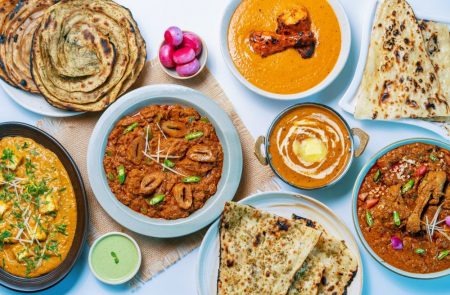
There’s something uniquely satisfying about a thali — a platter filled with small servings of diverse dishes, capturing the essence of a region in one wholesome meal. From spicy to subtle, vegetarian to meaty, Indian thalis are a culinary celebration that showcases the rich diversity of India’s food culture.
In this ultimate guide, we’ve got the Indian thali explained by region and style — covering both classic and lesser-known varieties. Whether you’re a food enthusiast, home cook, or just curious about what goes into a traditional Indian meal structure, you’re in for a flavorful journey across India.
What is a Thali, Really?
Before diving into the regions, let’s get the Indian meal structure clear. A thali (meaning “plate” in Hindi) isn’t just a big meal — it’s a thoughtfully balanced combination of flavors, textures, and nutrients. Typically, a thali includes:
- A cereal (rice or roti)
- A protein source (dal, paneer, meat, or eggs)
- Vegetables (dry or curried)
- Condiments (pickle, chutney)
- A sweet item
- Often, a cooling side like yogurt or raita
Different parts of India bring their own flair to this format, creating an incredible range of regional thali India options. Let’s dig in.
North India: Royal and Rich
 Rajwadi Thali

From the royal kitchens of Rajasthan, the Rajwadi Thali is grand — featuring dishes like gatte ki sabzi, dal baati churma, ker sangri, bajra roti, and sweet treats like ghevar or mohanthal. It’s a meal made for kings.
Marwari Thali

Vegetarian, simple, yet packed with flavor. Expect lots of besan-based dishes, kadhi, bajra or jowar rotis, and papad. No onion or garlic — just pure, soulful cooking.
Mutton Kheema Thali

In Northern and Central India, meat lovers swear by mutton. A Mutton Kheema Thali may include spicy minced mutton, roti or paratha, and sides like onions, lime, and raita.
Western India: Sweet Meets Savory
Gujarati Mini Thali

A delightful combo of sweet and savory dishes — dhokla, undhiyu, dal, kadhi, thepla, and shrikhand. A mini thali version is perfect for light eaters without compromising variety.
Farali Thali

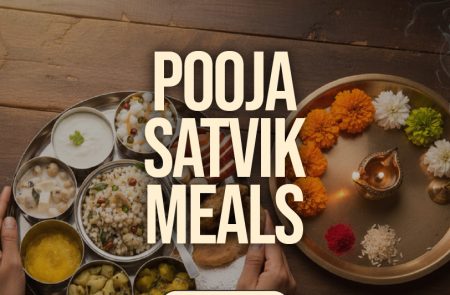
Ideal during fasting days. Includes sabudana khichdi, rajgira puris, peanut chutney, and fruit-based desserts. A mini Farali meal offers the same goodness in a smaller portion.
Eastern India: Subtle Flavors, Big on Comfort
Bengali Thali

A balanced meal of rice, shukto (bitter veggies), dal, fish curry, chutney, and mishti (sweets like rasgulla or sandesh). Mustard and panch phoron rule the flavor palette.
Fish Thali

Found in coastal Bengal and Odisha, the fish thali often includes steamed rice, mustard fish curry, fried fish, and leafy greens.
Egg Thali
Simple and protein-rich — egg curry, rice or roti, and sides like dal or aloo bharta. Found in both urban dhabas and homestyle settings across Eastern India.
Oriya Pure Veg Thali
Light, sattvic, and deeply comforting — includes rice, dalma (lentils + vegetables), sautéed veggies, curd, and sweet rice pudding. A great example of Indian meal structure done right.
South India: Spices, Simplicity & Balance
South Indian Thali

A classic favorite: rice, sambar, rasam, poriyal (veggies), curd, pickle, papadam, and a sweet like payasam. Banana leaves optional, but highly recommended for authenticity.
GSB Thali (Goud Saraswat Brahmin)
From the Konkan coast — this thali highlights coconut-based curries, steamed rice, pathrado (colocasia rolls), and seasonal vegetable preparations. Occasionally includes seafood or vegetarian-only variants during religious periods.
Chicken Thali
A spicy chicken curry, rice or appam, dry chicken side, rasam, and chutney — hearty and satisfying, commonly seen in Andhra, Tamil, and Kerala thali meals.
All-India Favorites
Veg Thali
Universally loved. Includes dal, 1–2 sabzis, roti, rice, pickle, papad, curd, and sweet — varies slightly in spices and cooking oils based on region.
Paneer Thali
A North Indian-inspired thali for vegetarians who want indulgence. Expect paneer butter masala or kadai paneer, rice, tandoori roti, dal, salad, and gulab jamun.
Veg Mini Thali
A lighter version with fewer items, ideal for lunch or smaller appetites — dal, one sabzi, rice or roti, and salad. Perfect for office lunches or quick meals at home.
Why Indian Thalis Are a Meal in Themselves
Having Indian thali explained is about more than listing dishes. It’s understanding the philosophy: balance, variety, and nourishment. Unlike the one-dish meal common in Western cultures, the Indian meal structure promotes diversity on your plate — ensuring you get carbs, proteins, fiber, and good fats in every sitting.
And because each region has its own agricultural produce, spices, and cooking traditions, the regional thali India offers a delicious peek into local lifestyles.
Final Thoughts
From the mustard-kissed curries of Bengal to the coconut-rich gravies of the South, the Indian thali is a celebration of culture on a plate. Whether you’re exploring a meaty mutton kheema thali or keeping things light with a veg mini thali, there’s a thali for every mood, season, and dietary need.
Next time you want to experience India — skip the flight. Just order or cook a thali.