A Delicious Journey Through India’s Regional Flavors
India isn’t just a country—it’s a living, breathing, eating celebration of cultures. One of the most flavorful ways to experience this diversity is through its food. From the snow-capped peaks of Kashmir to the sun-kissed shores of Kanyakumari, the Indian plate changes more often than the terrain. Each region serves up dishes that are deeply rooted in local history, climate, and tradition. Welcome to an unforgettable Indian culinary tour—one that takes your taste buds on a journey through the length of the country.
Indian Food from North to South: A Flavourful Transformation
Traveling through Indian food from north to south is like flipping through the pages of a vibrant cookbook, each chapter more exciting than the last. In the north, you’re greeted with rich, hearty dishes—think creamy gravies, tandoor-cooked breads, and warming spices that comfort the soul during long winters.
In Kashmir, for instance, the wazwan—a grand feast of meat-based delicacies like Rogan Josh, Yakhni, and Gustaba—tells a tale of Persian influence and royal indulgence. As you head down through Punjab and Delhi, the focus shifts to buttery naans, paneer dishes, and spiced lentils. Move further to Rajasthan, where arid land shapes a cuisine built on preservation—ker sangri, gatte ki sabzi, and bajra roti dominate the scene.
As the terrain softens, so does the food. By the time you reach the southern states, rice takes center stage. Coconut, curry leaves, tamarind, and mustard seeds become kitchen essentials. The curries become tangier, the breakfasts lighter, and the snacks crispier. This entire north-south progression forms the heart of Indian food from north to south, showcasing just how much changes within a single nation.
A Taste of Kashmir to Kanyakumari Cuisine
The phrase Kashmir to Kanyakumari cuisine isn’t just poetic—it’s deliciously accurate. Each state has its own signature dishes, yet there’s an invisible thread that ties them all together: a deep respect for ingredients, heritage, and hospitality.
In Himachal Pradesh, you’ll find slow-cooked dishes like Chana Madra and Dham, usually eaten during festivals. Uttar Pradesh delights with Awadhi biryani and kebabs, while Bihar offers rustic charm with Litti Chokha. The East too plays its part—Bengal with its mustard-laced fish curries and sweets like rasgulla, and Odisha with pakhala bhata and temple offerings.
Further south, Andhra Pradesh and Telangana serve up fiery curries and pickles that pack a punch. Tamil Nadu, with its filter coffee, dosas, and sambars, is a breakfast lover’s paradise.
This pan-Indian spread, from mountain to sea, is the essence of Kashmir to Kanyakumari cuisine—a culinary compass that changes direction but never loses its soul.
Mapping the Indian State Food Map
Every state in India has its own food identity, and together, they form the intricate Indian state food map. What makes this map so fascinating is that neighboring regions can have entirely different food preferences despite sharing borders.
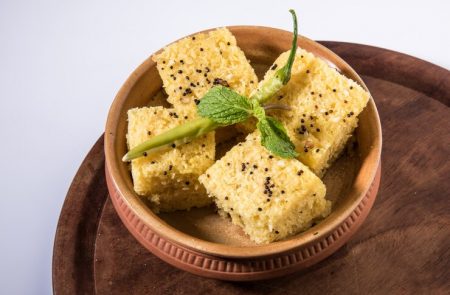
Take Maharashtra and Gujarat, for example. One leans into spicy and tangy vada pav and misal, while the other treasures the sweetness in dishes like dhokla and thepla. In the Northeast, each state surprises you with tribal cooking techniques, bamboo shoots, fermented fish, and foraged greens.
What you get is not just a map of dishes, but a map of people, stories, and centuries of culinary evolution. This regional food of India is as much about geography as it is about emotion.
Following the India Food Trail
If you’re ever lucky enough to go on an India food trail, don’t just look for restaurants. Eat at a local’s home. Join a temple feast. Visit a farmer’s market. Attend a village fair. From the smoky kebabs in Lucknow’s narrow alleys to the humble idli at a roadside stall in Madurai, the best meals often come with no menu and no frills.
The India food trail isn’t just about the food—it’s about the warmth of the people who serve it, the hands that cook it, and the culture it represents. It’s about eating with your hands, asking for second helpings, and sharing a meal with strangers who become friends.
Final Thoughts: The Soul of Indian Cuisine
To truly understand India, you must taste it. Not just the fancy dishes that make it to international menus, but the everyday meals that feed its people. The regional food of India tells stories that books cannot. It’s a passport to the soul of the nation.
So the next time someone says “Kashmir to Kanyakumari,” don’t just picture a map—imagine a thali. Full, diverse, balanced, and deeply satisfying. Because that, in the end, is what India tastes like.