Introduction
There is something deeply comforting about a meal that reminds you of home. Yet, many people today rely on restaurant food or quick deliveries, often feeling that something is missing. The spices feel louder but not deeper. The dishes look authentic but lack that emotional connection.
This is where regional Indian cuisine truly stands apart. When prepared at home, food is not just about taste. It carries memory, technique, and intention. From slow cooking methods to carefully balanced spices, homemade meals bring out flavors that are difficult to replicate elsewhere.
If you have ever wondered why authentic Indian food at home feels more satisfying, this blog explores the real reasons behind it.
What Makes Regional Indian Cuisine Unique
A Deep Connection to Local Ingredients
Indian regional food flavors are shaped by geography, climate, and culture. Coastal regions use coconut and seafood, while northern regions rely on dairy and wheat. Every ingredient has a purpose rooted in tradition.
When cooking at home, people tend to use fresher and more locally sourced ingredients. This enhances taste naturally, without needing artificial flavor boosters.
Traditional Cooking Methods
Many traditional Indian recipes homemade involve slow cooking techniques such as simmering, roasting spices, or fermenting batters. These processes unlock complex flavors that are often skipped in commercial kitchens due to time constraints.
Home kitchens respect these methods, which is why dishes feel richer and more layered.
Why Homemade Always Tastes Better
1. Freshness That Cannot Be Replicated
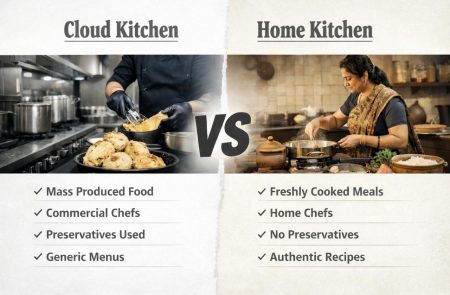
Restaurants often prepare ingredients in bulk. At home, meals are usually cooked fresh. This directly impacts aroma, texture, and taste.
Freshly ground spices, chopped herbs, and just cooked food create a sensory experience that packaged or pre prepared meals cannot match.
2. Personalization of Flavor
One of the biggest strengths of home style Indian cooking is customization.
You can adjust spice levels, oil content, and seasoning based on your preference. Whether you like your curry mild or bold, tangy or creamy, homemade food adapts to you.
This level of control is rarely possible with restaurant dishes.
3. Emotional and Cultural Value
Food at home is often tied to family traditions. Recipes are passed down through generations, carrying stories and cultural identity.
Cooking and eating authentic Indian food at home becomes more than nourishment. It becomes an experience that connects people to their roots.
Understanding Authentic Indian Food at Home
Authentic Indian food at home refers to meals prepared using traditional ingredients, methods, and recipes that reflect a specific region or culture within India.
Unlike commercial adaptations, these dishes stay true to their origins. They focus on balance rather than exaggeration of flavors.
For example, a homemade dal may taste simpler than a restaurant version but offers depth and comfort that feels complete.
The Real Benefits of Homemade Indian Meals
Health and Nutrition
One of the most overlooked homemade Indian meals benefits is better control over nutrition.
At home, you decide the quality of oil, the amount of salt, and the freshness of ingredients. This reduces unnecessary additives and helps maintain a balanced diet.
Cost Efficiency
Cooking at home is often more economical in the long run. Ingredients can be reused across multiple dishes, reducing overall food expenses.
Consistency in Quality
When you cook regularly, you develop a sense of what works best. This consistency ensures that your meals maintain a certain quality standard every time.
The Role of Spices in Indian Regional Food Flavors
Freshly Prepared Spice Blends
In regional Indian cuisine homemade spices are not just ingredients. They are carefully curated combinations that define each dish.
Grinding spices fresh or roasting them before use enhances their natural oils and aroma. This is a key reason why homemade food tastes more vibrant.
Balanced Flavor Profiles
Indian cuisine is known for balancing multiple taste elements such as sweet, sour, salty, bitter, and spicy.
Home cooks often understand this balance intuitively, creating dishes that feel complete rather than overwhelming.
How Home Style Indian Cooking Preserves Authenticity
Respect for Regional Techniques
Each region in India has its own cooking techniques. For example, slow simmering in clay pots or tempering spices in hot oil.
Home style Indian cooking ensures these techniques are followed correctly, preserving the authenticity of the dish.
Avoiding Over Commercialization
Restaurant food sometimes modifies recipes to appeal to a wider audience. This can dilute traditional flavors.
At home, recipes remain closer to their original form, maintaining their cultural integrity.
Practical Tips to Improve Homemade Indian Cooking
Start with Simple Traditional Recipes
Begin with easy traditional Indian recipes homemade such as dal, sabzi, or khichdi. These dishes help build confidence while teaching essential techniques.
Focus on Ingredient Quality
Use fresh vegetables, good quality spices, and the right cooking oils. Even small upgrades in ingredients can significantly improve taste.
Learn Spice Pairing
Understanding which spices complement each other is crucial. For example, cumin and coriander often work together, while mustard seeds add a distinct regional touch.
Cook with Patience
Good food takes time. Allow flavors to develop naturally instead of rushing the process. This is especially important in Indian cooking.
Why Restaurants Cannot Fully Replicate Homemade Taste
Scale of Cooking
Cooking for hundreds of people requires shortcuts. These shortcuts often compromise depth and authenticity.
Lack of Personal Touch
Restaurants follow standardized recipes. They cannot adapt to individual taste preferences the way home cooking can.
Time Constraints
Many traditional dishes require slow cooking. Commercial kitchens often speed up the process, which affects flavor development.
The Emotional Satisfaction of Homemade Food
Beyond taste and health, there is a deeper satisfaction in cooking your own meals.
Preparing regional Indian cuisine homemade allows you to engage with the process. From selecting ingredients to serving the final dish, every step adds meaning.
This emotional connection enhances the overall dining experience in a way that restaurant food cannot match.
In a Nutshell
The true beauty of regional homemade Indian cuisine lies in its authenticity, depth, and personal touch. From richer flavors to better health and emotional satisfaction, the benefits go far beyond just taste.
Choosing authentic Indian food at home is not just about cooking. It is about preserving tradition, embracing quality, and creating meaningful experiences around food.
If you are looking to rediscover real flavor, start with your own kitchen. Even simple efforts in home style Indian cooking can transform the way you experience food every day.